Client: United Nations (Office of the Special Adviser on the Prevention of Genocide)Geographic focus: KyrgyzstanType of work: Analytical study / hate speech mappingMethods: Desk research, interviews, focus groups, media analysisThematic focus: Hate speech, polarization, political riskThis study analyzes the patterns, drivers, and underlying causes of hate speech in Kyrgyzstan, examining how political dynamics, social divisions, and digital platforms interact to amplify harmful narratives. Commissioned by the United Nations Office of the Special Adviser on the Prevention of Genocide, the research provides an evidence-based assessment of the scale and nature of hate speech in the country.Drawing on desk research and primary data collection—including interviews, focus group discussions, and analysis of online and social media content—the study identifies five dominant categories of hate speech: religion; ethnicity and language; gender and sexuality; regionalism;…
Project year: 2019Geographic focus: Kyrgyzstan (Bishkek and Osh)Type of work: Applied research / mixed-methods studyThematic focus: Small business development, family enterprises, economic behaviorThis study examines how family dynamics shape the operation and sustainability of small businesses in Kyrgyzstan. Focusing on enterprises in Bishkek and Osh, it combines qualitative inquiry with large-scale empirical evidence to assess the role of family involvement in business decision-making, management, and continuity.The research began with 20 in-depth interviews with small business owners from different sectors, alongside experts and representatives of business associations. These interviews revealed varied patterns of family involvement, ranging from informal support and shared decision-making to direct participation in daily operations and leadership roles.The qualitative findings were subsequently tested through a representative survey of 1,000 small business owners using random sampling methods. Survey results…
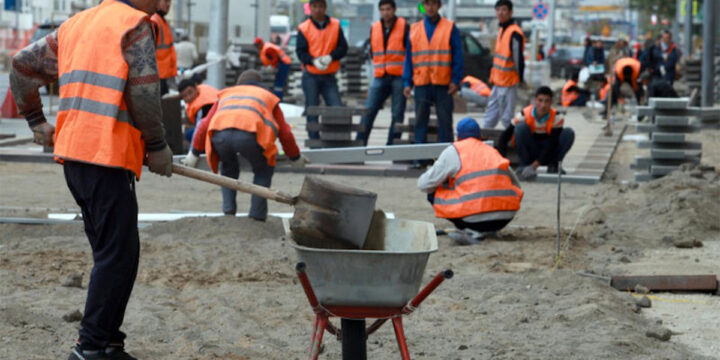
This study explores the interlinked dynamics of housing conditions, labor migration, and economic development in Kyrgyzstan. Combining nationwide quantitative data with qualitative insights from across the country, it examines how migration reshapes household well-being, livelihoods, and community life. At the core of the research is a nationally representative survey of 2,400 households in both urban and rural areas. The survey provides a detailed picture of living conditions, employment constraints, migration patterns, and remittance flows, with particular attention to families directly affected by labor migration. The findings highlight how migration influences housing quality, income stability, and long-term economic prospects, while also exposing persistent structural vulnerabilities faced by many households. Beyond economic pressures, the data reveal patterns of adaptation and resilience. Many families develop coping strategies to manage prolonged separation, housing insecurity,…