
Client: United Nations (Office of the Special Adviser on the Prevention of Genocide)
Geographic focus: Kyrgyzstan
Type of work: Analytical study / hate speech mapping
Methods: Desk research, interviews, focus groups, media analysis
Thematic focus: Hate speech, polarization, political risk
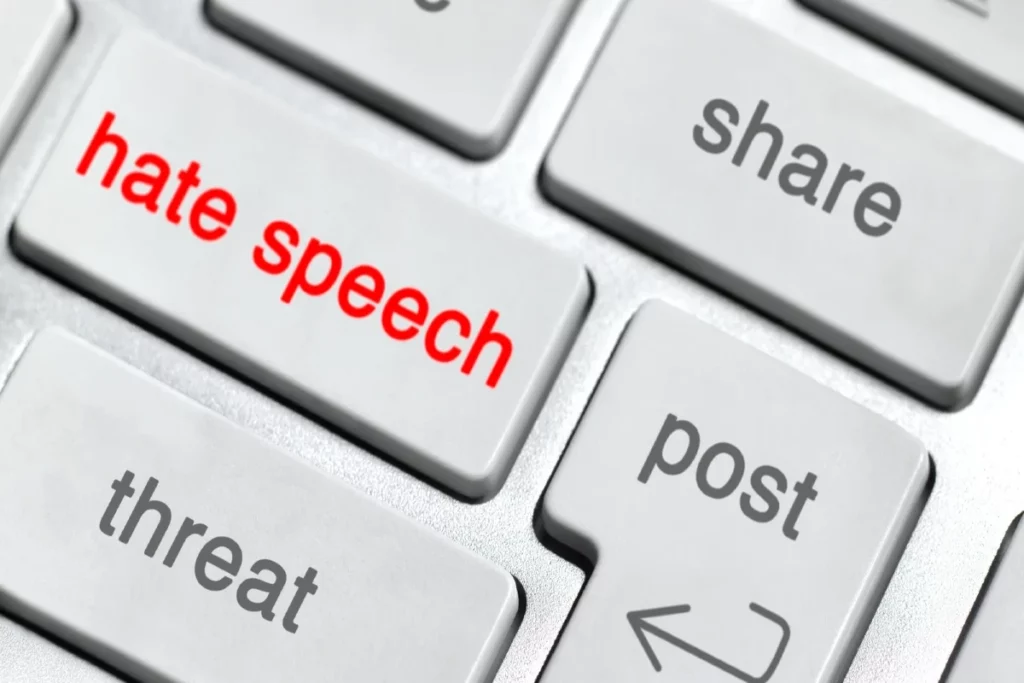
This study analyzes the patterns, drivers, and underlying causes of hate speech in Kyrgyzstan, examining how political dynamics, social divisions, and digital platforms interact to amplify harmful narratives. Commissioned by the United Nations Office of the Special Adviser on the Prevention of Genocide, the research provides an evidence-based assessment of the scale and nature of hate speech in the country.
Drawing on desk research and primary data collection—including interviews, focus group discussions, and analysis of online and social media content—the study identifies five dominant categories of hate speech: religion; ethnicity and language; gender and sexuality; regionalism; and political affiliation. A key finding is the prevalence of intersectional hatred, where individuals or groups are targeted simultaneously on multiple characteristics.
The analysis demonstrates a strong correlation between major political events and spikes in hate speech, particularly in digital spaces. Hate speech is produced and disseminated by a wide range of actors, from high-level political figures to organized online networks and ordinary users. Social media—especially Facebook—emerges as the primary platform for the spread of hateful expressions, reinforcing polarization during periods of political tension.
Beyond surface-level manifestations, the study identifies four structural factors driving the persistence of hate speech: entrenched social norms, increasing value polarization, unethical political competition, and the rapid expansion of access to online platforms. While legislative measures and civil society initiatives exist, the analysis finds that vague or incomplete legal definitions create risks of selective enforcement and undermine consistency with international human rights standards.
The report concludes with targeted recommendations for national authorities, civil society organizations, and international actors. These emphasize the need for clearer legal frameworks, stronger institutional coordination, and approaches that balance freedom of expression with protection against discrimination. The findings highlight the importance of sustained, multi-actor engagement to counter hate speech effectively in politically volatile environments.